The right range for every channel.
Build the assortment from the same plan. Options, depth and size curves that match real demand by channel and door.
 Planning·Assortment · SS26 · Wide-Leg PantsLast sync · just now
The range, reconciled to the plan
Commit depth by option; Tightly reconciles the range to the season envelope live.
 Yarrow Wide-Leg18.2kBUY
 Wren Pleated14.6kBUY
 Sage Drawstring12.4kBUY
 Bramble Pleated11.9kBUY
 Marigold Cord10.8kBUY
 Olive Croppedadd depthCANDIDATE
Why the range decides what sells at full price.
Full-price sell-through gap between retail leaders and the field. Driven by how well the range reconciles to the plan.
Source: Directional industry benchmark
Share of unplanned markdown that traces to upstream range and buying decisions, not in-season demand.
Source: Coresight industry research
Coverage gap on a typical category line, committed depth under the plan envelope, found late and chased at cost.
Source: Representative mid-market retailer
What breaks before assortment planning runs to plan.
Planning·Assortment · SS27Three steps to a range reconciled to the plan.
Tightly · Assortment live· three stages from data to decisionLiveThe range opens from the plan
Every category opens with a financial envelope drawn from the buy plan: the $ the range has to hit by channel and month. The range starts tied to the buy.
AI look-alikes fill the range
Tightly's look-alike model matches each style on image and attributes: same category, ±20% price, to find its nearest sellers. Cold-start a new option from them; replace a drop without losing coverage.
Committed depth reconciles to the envelope
Depth per option rolls up to committed $; Tightly compares it to the envelope live and returns the verdict. Coverage Gap, On Track or Over-committed, then stages the buy at 70% of depth.
Assortment that matches demand.
Build the assortment from the same plan. Options, depth and size curves that match real demand by channel and door.
Planning·Assortment · SS26 · Wide-Leg PantsOTB $4.2M remainingBUY HeroBUY Hero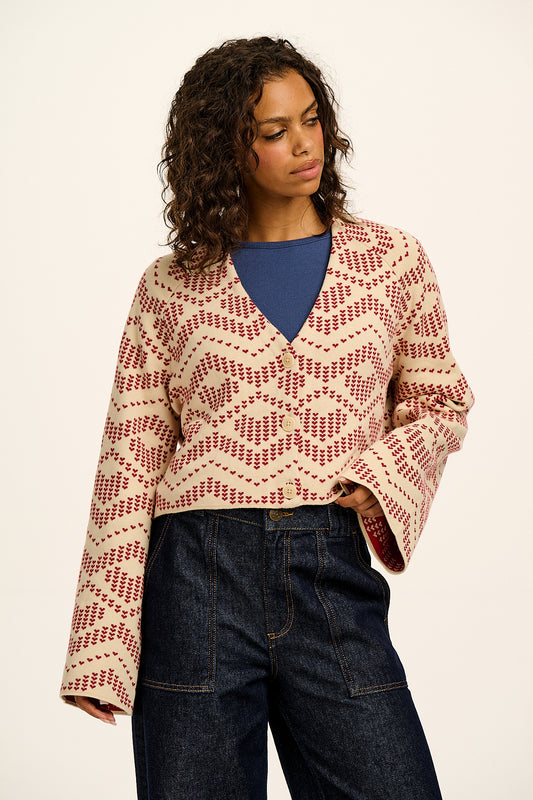 BUYBUYBUYCANDIDATE
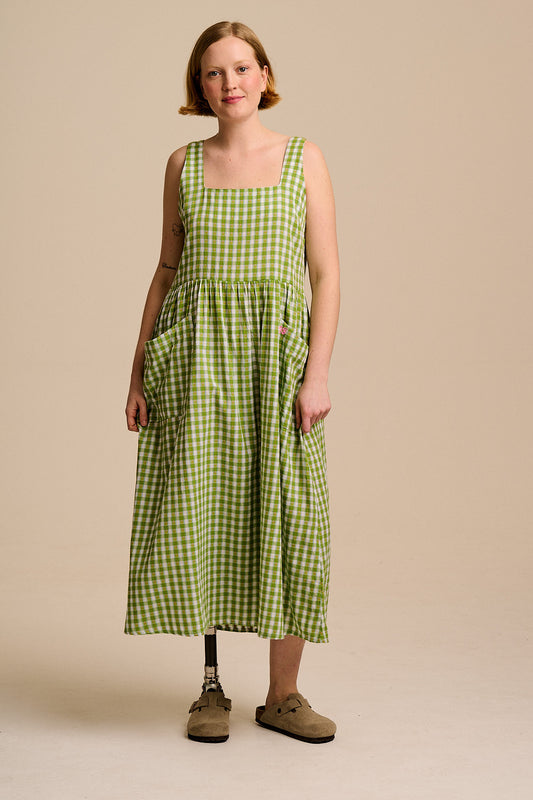 CANDIDATE
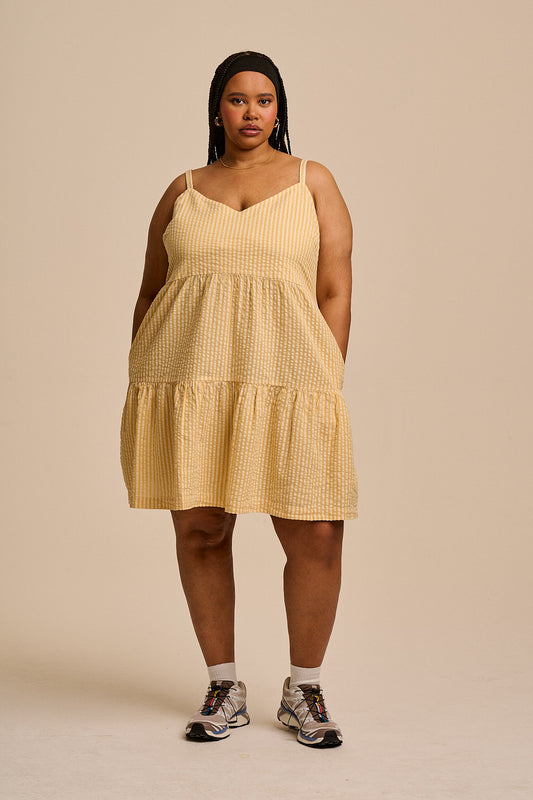 CANDIDATEBUY
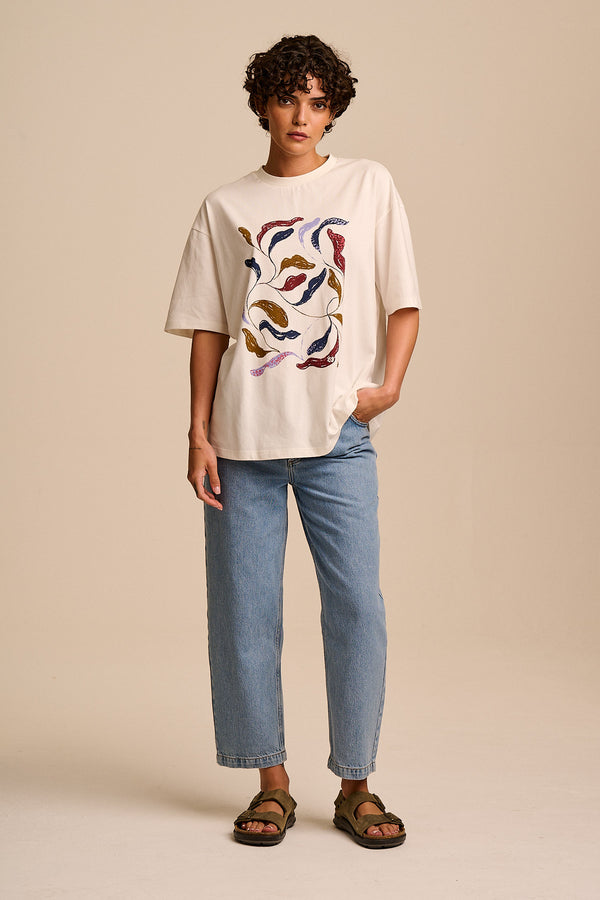 DROPPED
Meet your Merchandising agent
Opens each category from the plan envelope, recommends AI look-alikes to fill it, and reconciles committed depth to the plan live, flagging coverage gaps and over-commitment for your call.
Meet the agentsRe-forecast ready: 3 categories have drifted from plan this week. Want me to stage the moves for your review?
“We've tried several inventory tools and Tightly is hands down the best. It has changed how we plan to such an extent that we genuinely can't remember how we coped before.”
Hero-size in-stock
The range you build today, and the one Tightly delivers.
The range is one part of the connected plan.
Financial planning
The plan the range builds against: one number, both sides agree.
Demand forecasting
Per-channel SKU forecasts that drive option count and depth.
In-season management
Re-balance the range live as sell-through tells you what's working.
How does the range reconcile to the plan?
Committed depth (Σ planned depth × price across BUY styles) is compared live to the seasonal buy plan envelope for the category × channels. Within ±2% it's On Track; under with candidates still to detail is a Coverage Gap; under when fully detailed is unused seasonal room; over is Over-committed. The margin is checked against target at the same time.
How do the AI look-alike recommendations work?
Tightly's proprietary look-alike model reads each style's image and its attributes and finds the most similar sellers, filtered to the same category and ±20% price, then ranked by match. Use them to cold-start a new option, replace a dropped one, or fill a coverage gap without losing range coverage.
How is a new style planned with no sales history?
It's seeded from its nearest look-alikes, the closest-matching styles that do have history, so depth and size curve start from what actually sells, not a flat last-year run rate.
Can we plan a different size curve per channel?
Yes. DTC, wholesale, retail and marketplace each get their own size curve and channel split; the forecast feeds size depth per channel and the range adjusts independently per surface.
When does depth become a buy?
Setting depth moves an option from Candidate to BUY; the buy stages at 70% of planned depth as draft POs the buyer reviews. Drop an option and it leaves the committed total: the reconciliation updates live.
The right range. Built from the plan, by channel and door.
There's nothing to rip out. Tightly runs on your existing ERP, EDI, e-commerce and POS. Give us 30 minutes and we'll walk you through it.