Back
The 2026 AI Tookit - 10 AI tools that will actually save you time
Laura B
Marketing Analyst

The State of AI Tools for Business
AI tools are revolutionizing how work gets done. However, this rapid advancement has created a dual reality: we are currently facing the paradox of modern efficiency and navigating a dangerous period where the technical capability of top AI tools significantly exceeds public understanding.
While the ability to develop sophisticated systems through intuitive, natural-language programming has reached its peak, most retailers are overwhelmed by the "learning curve trap," struggling to reconcile the immense potential of AI for e-commerce with the practical challenges of implementation.
The Paradox of Modern Efficiency
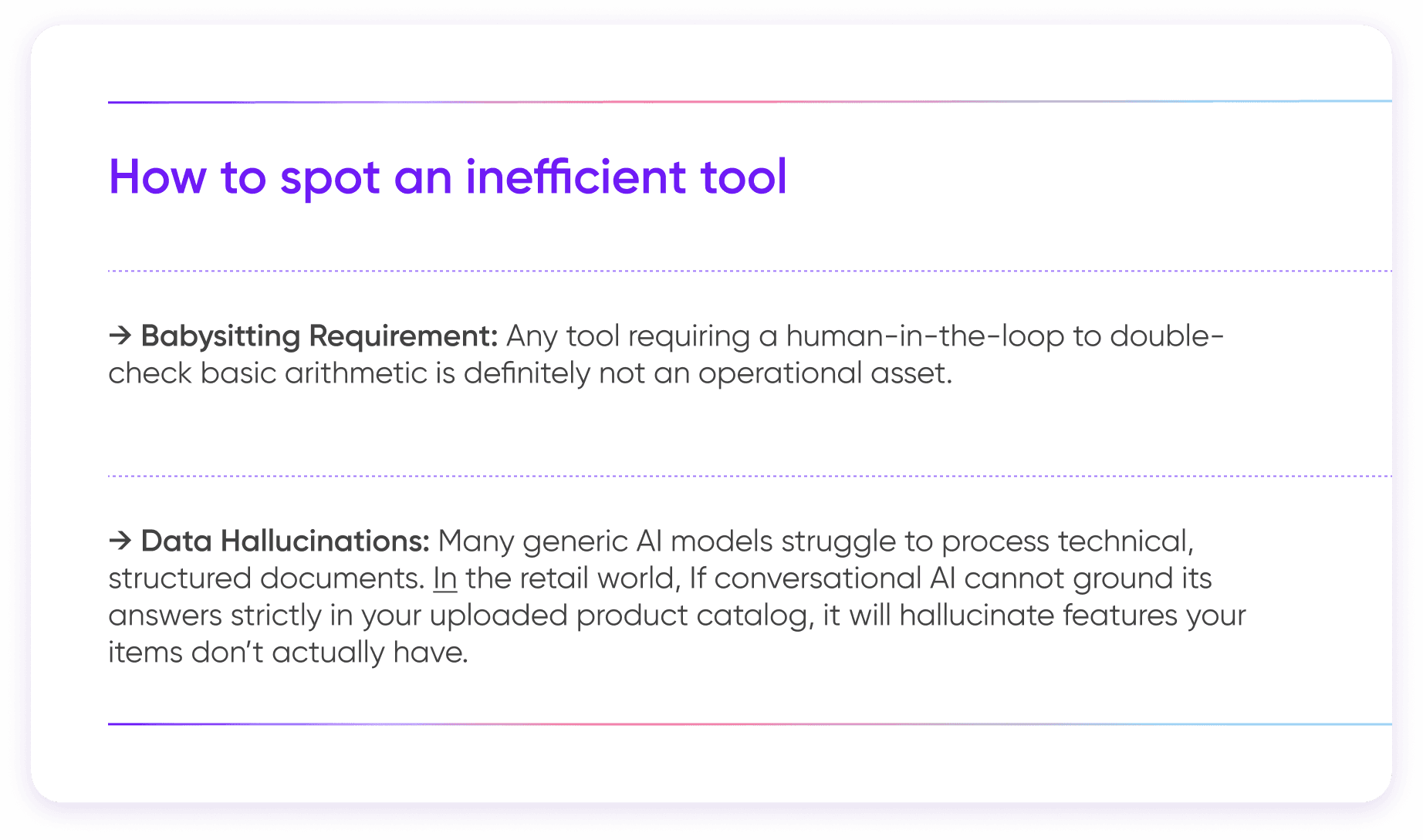
Planners are spending more hours mastering a tool’s specific interface or prompt engineering than they do actually leveraging the results. If you are "babysitting" an AI to prevent hallucinations, you are not automating; you are just managing a more temperamental intern. This friction inherent in many AI productivity tools often creates an efficiency gap. And when constant manual oversight replaces workflow automation, AI for e-commerce becomes a liability.
Achieving an Automated Go-To-Market Strategy
To avoid the trap, e-commerce specialists are narrowing their focus to a popular AI tools list that prioritizes autonomous logistics. By prioritizing tools that offer immediate integration and measurable operational impact, organizations can bypass the "learning curve trap" and focus on scalable growth. Here is a detailed breakdown of Tightly's handpicked best AI tools for 2026, expanding on their specific utilities, strategic value, and ideal use cases for high-growth retail:
The 2026 AI Toolkit
1. Daily Life & Research: NotebookLM
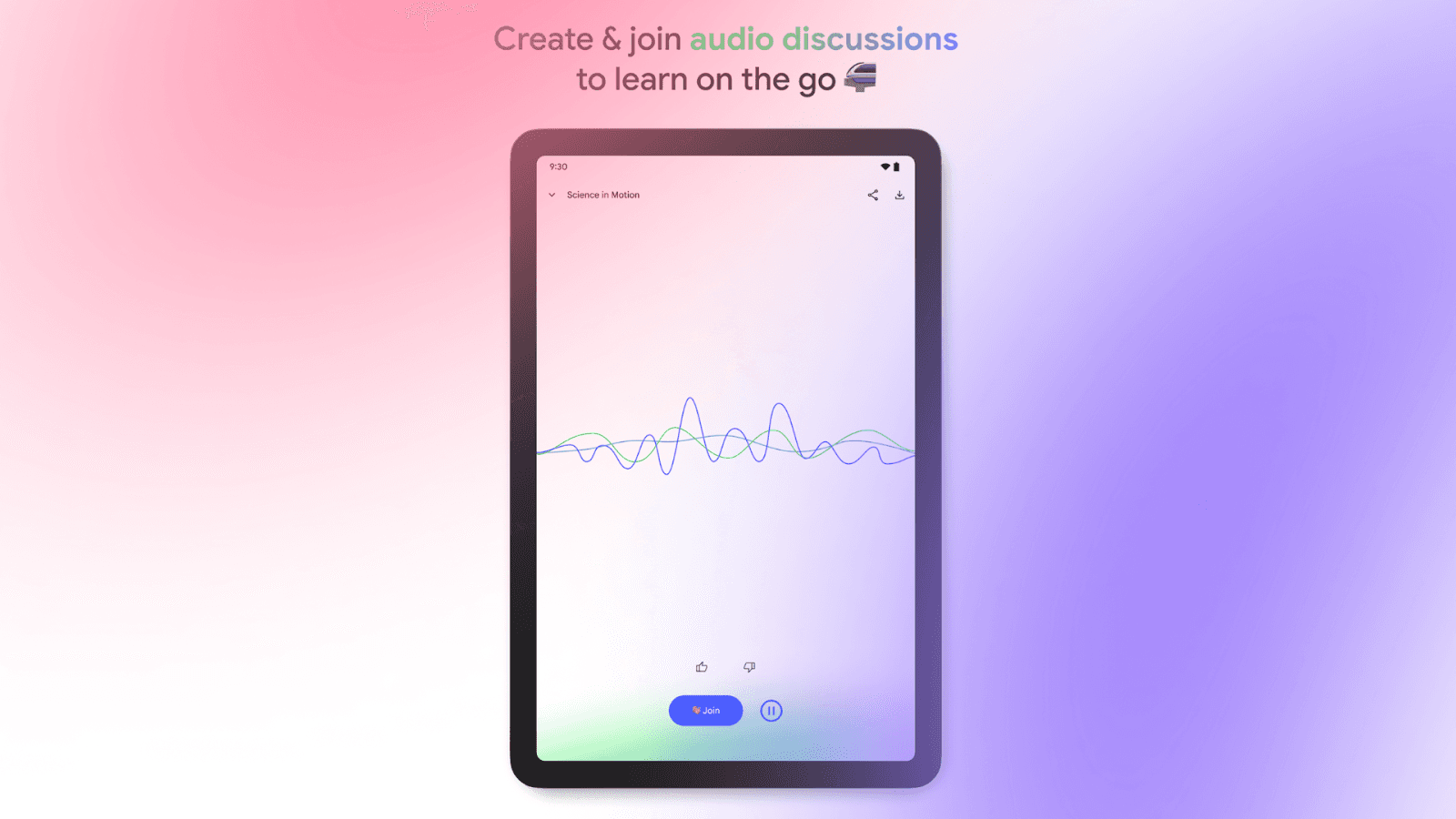
NotebookLM serves as a specialized AI assistant that eliminates hallucinations by grounding responses strictly in your uploaded sources. This tool streamlines workflow automation by converting messy text into clean data tables and reports. It also features an "Audio Overview" that turns dry documentation into podcast-style discussion. Recent upgrades enable multiple notebooks to be combined directly inside a regular Gemini chat and use the Canvas feature to generate and seamlessly edit entirely new assets, such as coded landing pages or guided learning modules.
Pricing Status: Free AI tools (within set usage limits).
2. Writing & Comms: Grammarly / Claude
Utility: For external e-commerce marketing campaigns, these are unmatched. Claude (specifically Sonnet 4.5) is the gold standard for AI writing tools, successfully avoiding the robotic AI feel of early generative models. It excels at maintaining context over long documents. Grammarly, on the other hand, acts as a real-time safety net. It goes far beyond spell-check by offering tone detection (ensuring your emails don't sound aggressive) and providing 100 free AI prompts per month for rapid, professional polishing and rewriting.
Pricing Status: Freemium.
3. Operations & Research Agents: Manus
Utility: Many users are switching from Notion to Manus to escape the manual organization. This tool represents the shift toward agentic workflows, which perform multi-step "chaining" rather than simple chats. Manus acts as a dedicated research and ops agent, handling deep due diligence and synthesizing findings into final assets. Built for repeatable AI for e-commerce workflows, it navigates the web independently to execute an automated go-to-market strategy.
Pricing Status: Paid / Agentic Suite.
4. Business Strategy & Planning: AppCanvas.io
Utility: Before diving into AI development or "vibe coding," AppCanvas.io acts as an automated business strategist to prevent you from building useless features. It forces founders to define the core problem, establish target customer personas, and select the appropriate tech stack. From there, it generates a complete, step-by-step MVP (Minimum Viable Product) blueprint with copy-and-paste prompts that you can feed into coding tools to build your application logically.
Pricing Status: Paid / Subscription.
5. Marketing & Creative Automation: Krea.ai
Utility: Krea serves as an AI image creator and real-time design partner, allowing brands to scale visual identities without a traditional agency. By generating professional, on-brand product shots directly from existing site URLs or basic mobile photos, it eliminates the need for expensive reshoots. In 2026, its standout feature is the Krea Realtime 14B engine, which enables users to direct AI video generation as it happens. This "live canvas" approach supports high-quality visual content generation, ranging from studio-grade packshots with clean edges to lifestyle scenes. Through its custom LoRA training, e-commerce owners can "teach" the AI their specific brand aesthetics, ensuring cohesiveness across all channels.
Pricing Status: Freemium
6. E-commerce Visuals: Recraft AI
Utility: Recraft AI is a unique AI image generation tool specializing in generating scalable vector graphics (SVGs) and icons that can be resized infinitely without pixelation, making it perfect for web design. It also allows you to enforce strict brand colour palettes to maintain visual consistency.
Strategist’s Note: RED FLAG. The free tier (which gives 30 credits or roughly 25 images per day) is strictly non-commercial. Using these assets in a live e-commerce shop or client project without upgrading to a paid license is a legal liability.
Pricing Status: Free AI tools (Non-commercial).
7. CX & CS: ElevenLabs
Utility: In 2026, ElevenLabs has pivoted from being just a "voice generator" to a full-stack Conversational AI platform. It's a dedicated suite called ElevenAgents, purpose-built for industries like healthcare, telecom, and banking engine - connects to your existing CRM and EHR systems to handle tasks like appointment booking and billing inquiries. For customer service to feel natural, speed is everything, and ElevenLabs v3 (2026) has reduced latency to sub-second levels while maintaining emotional tags (like the ability to sound apologetic or helpful). It also features built-in "Webhooks" and "Server-side tools" which allow an AI voice agent to not only talk to a customer but also execute actions in real-time—such as processing a payment through Vibe Code or updating a shipping address—during a live phone call.
Pricing Status: Freemium.
8. Development & Rapid Prototyping: Cursor or Lovable
Utility: These are the premier AI productivity tools for non-technical founders. Lovable allows you to build UI dashboards and widgets simply by describing what you want in plain English. For more complex projects, Cursor is an AI-native code editor that uses features like "Composer" to predict and execute edits across multiple files simultaneously. However, Cursor requires oversight; without a technical strategist guiding the architecture, AI can easily generate "spaghetti code" that becomes a costly nightmare to untangle as your app scales.
Pricing Status: Freemium (Cursor includes a 2-week Pro trial).
9. Workflow Glue: Make or n8n
Utility: Automation platforms like Make and n8n act as the digital "glue" for your tech stack. They allow you to seamlessly connect disconnected apps—such as syncing your Shopify store data directly to your AI assistant, email marketing platforms, and CRM—automating manual hand-offs without needing to write any code. n8n is particularly powerful when combined with AI agents for orchestrating highly complex, repetitive workflows.
Pricing Status: Freemium.
10. Growth & Go-To-Market: TheHog.ai
Utility: TheHog.ai acts as an automated GTM strategist. By ingesting your business information and scanning your social media presence, the AI agents put together your entire launch strategy. It automates the scheduling of your marketing content and actively finds the best strategic angles and trends for acquiring new customers.
Pricing Status: Paid / Subscription.
** Free vs. Premium Ecosystems
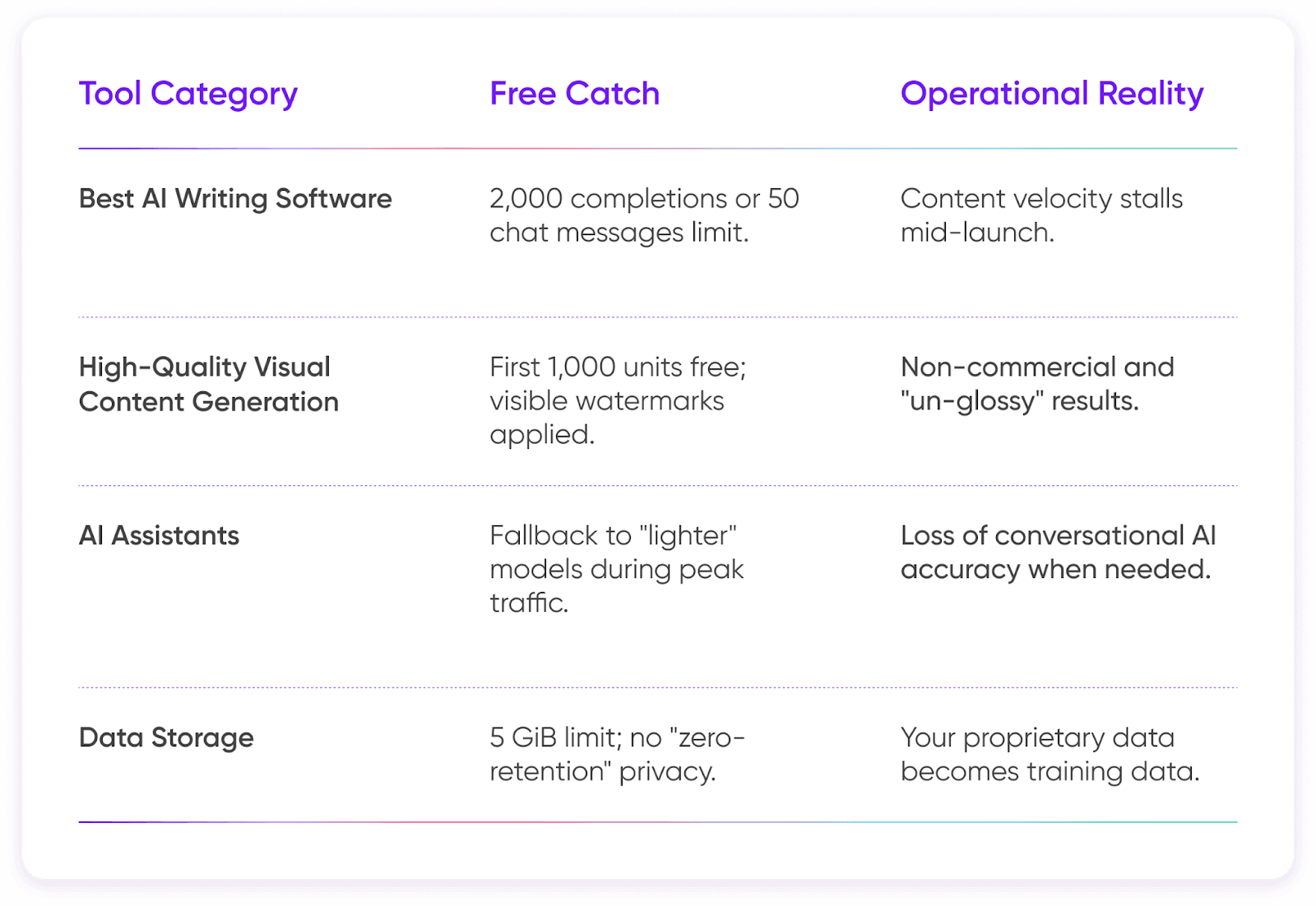
It is important to remember that in the 2026 marketplace, a tool's true efficiency is inseparable from its cost structure, and there is no such thing as free AI tools in e-commerce—you either pay with your subscription or with your data. Understanding these thresholds is key.
How to Choose the Right AI Tool for Your Needs
To conclude, a technical stack without a strategic framework quickly transforms from a competitive advantage into an unjustifiable expense. Choosing the right AI tools requires moving beyond flashy demos to focus on three critical dimensions:
Outcome Specificity: Avoid tools that promise to "save time" in a general sense. Instead, prioritize those that automate a defined, repetitive task with a measurable impact.
Integration Depth: The best AI tools for 2026 are no longer standalone. Seek out "embedded" capabilities that live within the software you already use or "connected" tools that sync via API. If you have to manually copy-paste data, the tool is a productivity experiment, not a business solution.
Total Cost of Ownership: The subscription price is often the least important factor. Factor in the "hidden costs" of implementation, the learning curve for your team, and the time required for ongoing maintenance.
By auditing performance reviews and aligning your AI tools list with specific operational needs, you can bridge the efficiency gap and ensure your workflow automation remains a strategic asset rather than a liability.
Laura B
Marketing Analyst
Share